Clarendon Road home rubbish clearance Watford
Posted on 12/10/2026
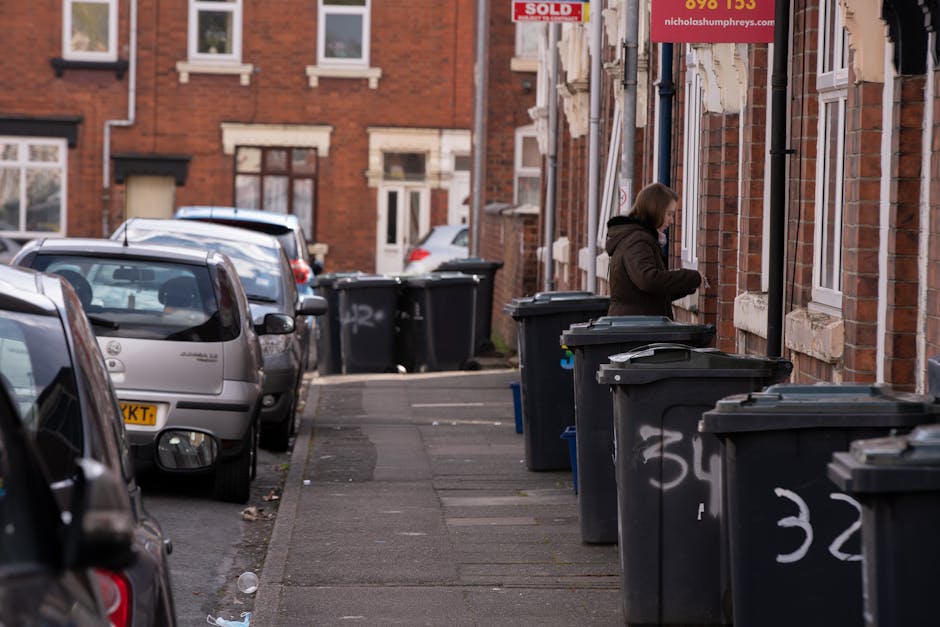
If you're dealing with a cluttered flat, a post-move mess, or a pile of household junk that has quietly taken over a room, Clarendon Road home rubbish clearance Watford is one of those services that suddenly makes life feel manageable again. It is not just about "taking things away". It is about getting a home back to normal without the stress of hiring a van, making endless trips to the tip, or wondering what can and cannot be removed.
Clarendon Road sits in a busy part of Watford, so timing, access, parking, and neighbour awareness can all matter. In practice, that means a good clearance needs to be efficient, tidy, and respectful of the property and the street. This guide walks you through how it works, what to expect, where the common pitfalls are, and how to judge whether a home clearance is the right move for your situation.
Along the way, you'll also find practical tips for reducing waste, understanding the basics of responsible disposal, and choosing the right service for your home. Nothing fancy. Just the useful stuff, explained plainly.
Why Clarendon Road home rubbish clearance Watford Matters
Household rubbish has a way of multiplying. One old wardrobe becomes three broken chairs, a bag of packaging, a few boxes from the loft, and suddenly the spare room is a storage unit. If you live near Clarendon Road, that can feel even more pressing because space is often at a premium and access can be a little awkward. Let's face it, dragging bulky items down stairs or through narrow hallways is nobody's idea of a good afternoon.
Home rubbish clearance matters because clutter costs time, energy, and often money. A delayed clearance can slow down a sale, complicate a tenancy handover, or simply keep you from using the rooms you already pay for. It can also become a health and safety issue if items are blocking exits, creating trip hazards, or attracting damp and dust.
In a local area like Watford, there is also a practical reality: not every household can just load everything into a car and do multiple tip runs. Some items are awkward, heavy, or just too much for a normal weekend plan. That is where a structured clearance becomes valuable. It turns a vague, stressful job into a clean process with a clear finish line.
Practical takeaway: if rubbish has started affecting how you move, clean, or use your home, it is usually time to act rather than "wait until next month". That month has a habit of disappearing.
How Clarendon Road home rubbish clearance Watford Works
A proper home rubbish clearance should be straightforward. You explain what needs to go, a collection is arranged, the team assesses the load, and the items are removed safely. The better services keep it simple and do not overcomplicate the process with hidden steps or unclear charges.
Typical stages of a household clearance
- Initial assessment: You describe the items, access, and rough volume. Photos often help, especially if the clearance involves loft storage, basement items, or furniture in tight spaces.
- Quote or estimate: A clear price is based on volume, labour, access difficulty, item type, and any special handling needs.
- Arrival and load-up: The team removes the items, usually sorting carefully so reusable or recyclable materials can be separated where possible.
- Responsible disposal: Waste is taken to the correct facility or routed through appropriate recycling channels, depending on the material.
- Final sweep: A decent job leaves the area tidy, not looking like the "before" picture got worse for ten minutes.
For many homes around Clarendon Road, the main variables are access and volume. Is there lift access? Is parking easy? Are the items on an upper floor? Is it a single bulky item or a mixture of furniture, bagged waste, and general household clutter? Those details matter more than people expect.
If you are comparing related services, it helps to understand the difference between household clearance, bulky item removal, and broader waste collection. A more general option such as rubbish collection in Watford can suit smaller loads, while a fuller house clearance service may be better for whole rooms, inherited properties, or end-of-tenancy jobs. For mixed waste, the wider waste removal approach can also be useful.
Key Benefits and Practical Advantages
The obvious benefit is that the rubbish disappears. Nice. But there are a few deeper advantages that are easy to miss until you have actually done the job.
- Less physical strain: Heavy furniture, old appliances, and bagged junk are awkward at the best of times. Moving them safely is the real issue.
- Time saved: A clearance job that might take you two or three weekends can often be handled in a single visit.
- Better use of space: Bedrooms become bedrooms again, lofts become usable storage, and hallways stop feeling like obstacle courses.
- Cleaner handovers: This matters for landlords, tenants, sellers, and families sorting a property after a move.
- Improved sorting and recycling: Professional clearances often do a better job of separating wood, metal, cardboard, and general waste.
- Lower stress: The emotional benefit is real. A clear room can feel oddly calming, especially if the clutter has been bothering you for months.
There's also a practical local angle. In busy parts of Watford, you may not want a driveway full of junk or bags sitting outside for long. A swift, planned clearance keeps things tidy and avoids unnecessary attention from neighbours, passers-by, or the weather. And yes, rain has a cruel sense of timing.
Expert summary: the best clearance service is not the one that simply collects the most stuff. It is the one that removes it efficiently, handles it responsibly, and leaves the property feeling lighter and more usable.
Who This Is For and When It Makes Sense
Clarendon Road home rubbish clearance Watford is useful for more people than you might think. It is not only for major declutters or dramatic move-outs.
Common situations where it makes sense
- Moving home: When you want to avoid paying to transport rubbish to a new address.
- End of tenancy: Especially when a property needs to be returned clear and presentable.
- After a renovation: Old fixtures, packaging, offcuts, and worn-out items build up quickly.
- Following a bereavement: A sensitive clearance helps families manage a difficult property respectfully.
- General decluttering: If the spare room has become a storage overflow zone, this can be the reset you need.
- Bulky single-item removal: Wardrobes, mattresses, sofas, and broken desks are classic examples.
If you live or work in the local area, you may already be familiar with practical Watford living issues like tight parking windows, apartment access, and busy streets. A service that understands those realities is usually easier to work with than one that treats every address the same.
It also makes sense if you value convenience over DIY. Truth be told, not everyone wants to sort, lift, load, drive, unload, and then clean up. Quite a few people get halfway through the job and realise they have created two problems instead of one. That happens more often than people admit.
Step-by-Step Guidance
If you want the whole process to run smoothly, it helps to approach it in a simple sequence. A bit of planning goes a long way.
1. Walk through the property carefully
Start with a room-by-room look at what actually needs removing. Separate rubbish from items you still want to keep, donate, or sell. This part sounds obvious, but in a lived-in house it can be surprisingly messy. One box can contain a mix of old chargers, paperwork, cables, and sentimental bits you forgot existed.
2. Make a short item list
Write down the main categories: furniture, bagged waste, broken appliances, garden leftovers, or mixed household clutter. You do not need an essay. Just enough detail for a clear quote.
3. Check access and parking
Think about stairways, lift access, narrow hallways, and where a vehicle can stop safely. On a road like Clarendon Road, this detail can shape the whole job. If access is awkward, mention it early rather than leaving it to chance.
4. Ask how sorting and disposal are handled
It is fair to ask where the waste goes, whether recyclable materials are separated, and how delicate or reusable items are treated. A trustworthy company should answer plainly, not dodge the question.
5. Book a time that suits the property
If neighbours, building management, or other occupants need to be considered, choose a time window that minimises disruption. Early mornings can work well for getting in and out quickly, though not everyone appreciates a noisy start. Fair enough.
6. Prepare the items before collection day
Group the rubbish in one place if possible. Remove personal documents and valuables. If there are fragile items, say so. A little preparation can reduce labour time and, in some cases, lower the cost.
7. Do a final check after the clearance
Once the job is complete, walk through the space. Check corners, cupboards, loft hatches, and under stair storage. People often forget one last box tucked behind something. Happens all the time.
Expert Tips for Better Results
Here are a few practical things that make home rubbish clearance easier, cleaner, and more cost-effective.
- Sort obvious keepsakes first: Family photos, paperwork, keys, and documents should be separated before anything else.
- Bundle similar waste together: Cardboard with cardboard, soft furnishings together, and small loose bits in bags where appropriate.
- Be realistic about volume: What looks like "a few bags" can become a van-full once it is all stacked up.
- Photograph tricky areas: A quick picture helps with quoting and avoids misunderstandings about access or load size.
- Ask about recycling: If sustainability matters to you, ask how the company separates recyclable and reusable items.
- Leave clear pathways: Even if the team is doing the lifting, uncluttered routes make the job safer and quicker.
One simple tip that saves a lot of faff: keep a "maybe" box. Put uncertain items in it. If you have not used something in a year and you still hesitate about it, well, that usually tells you something. Not always, but usually.
If you are comparing service styles, it can also help to look at the wider services overview to understand how different clearance jobs are typically handled. For jobs involving renovation leftovers or heavier debris, builders waste disposal in Watford may be more relevant. For outside spaces, garden waste removal is often the cleaner fit.
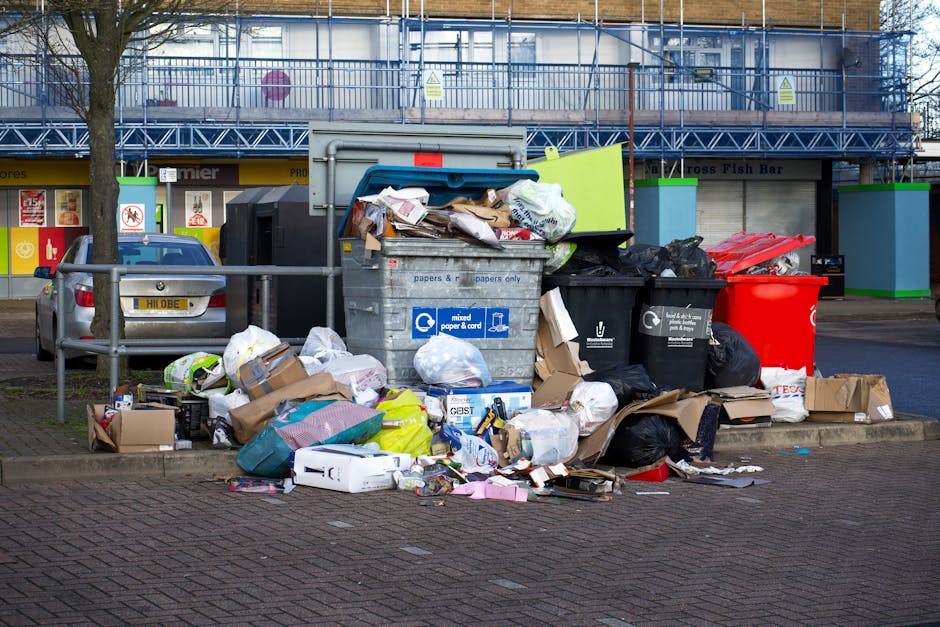
Common Mistakes to Avoid
Most clearance problems come from rushing, guessing, or assuming all waste is handled the same way. That is usually where people get caught out.
- Leaving sorting until the last minute: You end up paying to remove items that could have been kept, donated, or recycled separately.
- Forgetting access issues: A job can take longer and cost more if the team has to work around parking or stairs you did not mention.
- Mixing hazardous items into general rubbish: Paints, chemicals, batteries, and similar items often need special handling.
- Choosing only on price: The cheapest quote is not always the best value if it comes with poor communication or a sloppy finish.
- Not checking insurance and safety practices: If items are bulky or the access is awkward, proper handling matters.
- Assuming everything will be recycled: Some material can be recycled, but not all of it. Be wary of anyone who makes vague promises without explaining the process.
The biggest mistake? Waiting until the property feels overwhelming. Once clutter turns into a daily nuisance, the job becomes mentally heavier, not just physically larger. Better to deal with it before it grows legs.
Tools, Resources and Recommendations
You do not need a huge toolkit to prepare for a house clearance, but a few simple things make the process smoother.
| Tool or resource | Why it helps | Best use |
|---|---|---|
| Strong bin bags | Useful for loose household waste and smaller items | General room clear-outs |
| Marker pen and labels | Keeps items separated clearly | Sorting keeps, donate, and remove piles |
| Gloves | Helps protect hands from dust and sharp edges | Light sorting and bagging |
| Phone camera | Quick way to document load size and access | Quotes and planning |
| Basic trolley or sack truck | Makes moving heavier items easier | Safe handling of bulky goods |
| Simple room checklist | Keeps the job organised | Pre-clearance planning |
For background reading on responsible disposal habits, it can also help to review the company's recycling and sustainability approach. If you want to understand the business side, the pricing and quotes information is a sensible place to start, especially if you want to compare options before booking.
If you are concerned about safety, insurance, or handling practices, the insurance and safety page is worth a look. It is one of those unglamorous details that matters a lot when things are large, heavy, or awkward. Not exciting, but very useful.
Law, Compliance, Standards, or Best Practice
With rubbish clearance, legal and practical responsibility matters. You do not need to become an expert in waste law to make a sensible choice, but you should expect waste to be handled responsibly and in line with normal UK standards and local best practice.
In plain English, that means a few things:
- Waste should be taken to an appropriate disposal or recycling route.
- Items that can be reused or recycled should be separated where practical.
- Hazardous or specialist waste should not be mixed casually with general household rubbish.
- The company should be transparent about how it handles collection, transport, and disposal.
From a homeowner's perspective, the safest approach is to use a service that is clear about what it removes, how it handles materials, and what it will not take. If you are clearing a property with mixed contents, ask questions before the team arrives. That avoids awkward surprises on the doorstep.
There are also practical compliance issues around access and neighbour consideration. In a busy street or apartment setting, you should think about parking, noise, hallway protection, and keeping shared areas clean. Small details, yes, but those small details stop jobs from becoming annoyances.
One more thing: if you are clearing a rental, inherited property, or a property linked to business use, it can be worth checking the terms you are working under before you start. Better to confirm first than make assumptions and then have to backtrack later.

Options, Methods, or Comparison Table
There is more than one way to clear household rubbish in Watford. The right option depends on time, volume, access, and how much lifting you want to do yourself.
| Method | Best for | Pros | Trade-offs |
|---|---|---|---|
| DIY tip runs | Small amounts of waste and people with a suitable vehicle | Can be cost-conscious for light loads | Time-consuming, physically demanding, multiple trips |
| Bagging and waiting for ordinary collection | Very small, routine household waste | Simple if the items fit standard collection rules | Not suitable for bulky or mixed clearance jobs |
| Bulky waste or rubbish collection service | Single items or moderate mixed loads | Convenient, faster, less lifting | May not suit whole-house clearances |
| Full house clearance | Large, mixed, or time-sensitive jobs | Comprehensive, efficient, organised | Usually the most involved option |
If your job is fairly small, a targeted collection may be enough. If the space is full of furniture, bags, and random household clutter, a fuller clearance is often the better choice. A lot of people start thinking they need "just a few bins" and end up needing a much more complete service. Happens. More than once.
Case Study or Real-World Example
A typical Clarendon Road scenario might look like this: a flat has been gradually filling with unwanted items after a move, a kitchen refresh, and a few years of "I'll deal with that later". There are two old chairs, a broken bedside unit, several bagged items, cardboard, and a few miscellaneous boxes in the hallway. Nothing dramatic, but enough to make the place feel cramped and a bit on edge.
Rather than trying to handle it in one exhausting weekend, the owner takes a simple approach. They photograph the items, group everything in one room where possible, and note that parking is limited at certain times of day. On collection day, the clearance team arrives, moves the items out carefully, and leaves the space usable again. The job is not glamorous. It is just effective.
The main lesson from this kind of example is that preparation saves hassle. When the customer knows what is going, where it is, and how access works, the clearance is smoother from start to finish. No drama, no guessing, no awkward "oh, that cupboard too?" moment at the door.
And once the room is clear, the change can feel surprisingly emotional. You notice the light again. The floor space. The room breathing a bit. That's the part people remember.
Practical Checklist
Use this checklist before booking or on the day of your clearance:
- Have I separated items I want to keep?
- Are valuables, paperwork, and sentimental items removed?
- Have I listed the main waste categories?
- Did I note stairs, lift access, parking, or narrow entrances?
- Do I know whether any items need special handling?
- Have I asked how reusable or recyclable items are treated?
- Is there a clear time window for the collection?
- Have I checked that rooms, cupboards, lofts, or storage areas are fully emptied if needed?
- Have I confirmed what happens if the load is bigger than expected?
- Am I clear on the quote and any likely extras before the job starts?
If you can tick most of those off, you are in good shape. Simple as that.
Get a free quote today and see how much you can save.
Conclusion
Clarendon Road home rubbish clearance Watford is really about making a home easier to live in, not just removing unwanted stuff. Whether you are dealing with a move, a declutter, a renovation, or a property that has simply accumulated too much over time, a well-planned clearance gives you back space, order, and a bit of breathing room.
The best results usually come from clear communication, realistic expectations, and a service that handles the job responsibly from beginning to end. If you take the time to sort what matters, check access, and choose the right method, the whole process becomes far less stressful. And honestly, that little bit of calm can make a big difference.
Once the clutter is gone, the room feels different. Lighter. Easier. More yours again.

Copyright © . House Clearance Watford. All Rights Reserved.